


About us
we are casual friday golf.
A wellness brand rooted in golf. We use the game to help people take care of their minds and bodies, and to make talking about mental health feel as normal as talking about your last round.
good for your body, good for your mind.
steps in a typical 18-hole round, more than the daily amount recommended for health.
walked on a regular 18-hole course, burning up to 2,000 calories.
of golf a week meets the World Health Organization’s exercise guidelines.
major chronic diseases, like heart disease and type 2 diabetes, can be helped by regular activity like golf.

Sources: The R&A, Golf and Health (randa.org) and Golf and Health Report (2026); Golf & Health Project. Golf supports well-being; it isn’t a treatment or a replacement for professional care.
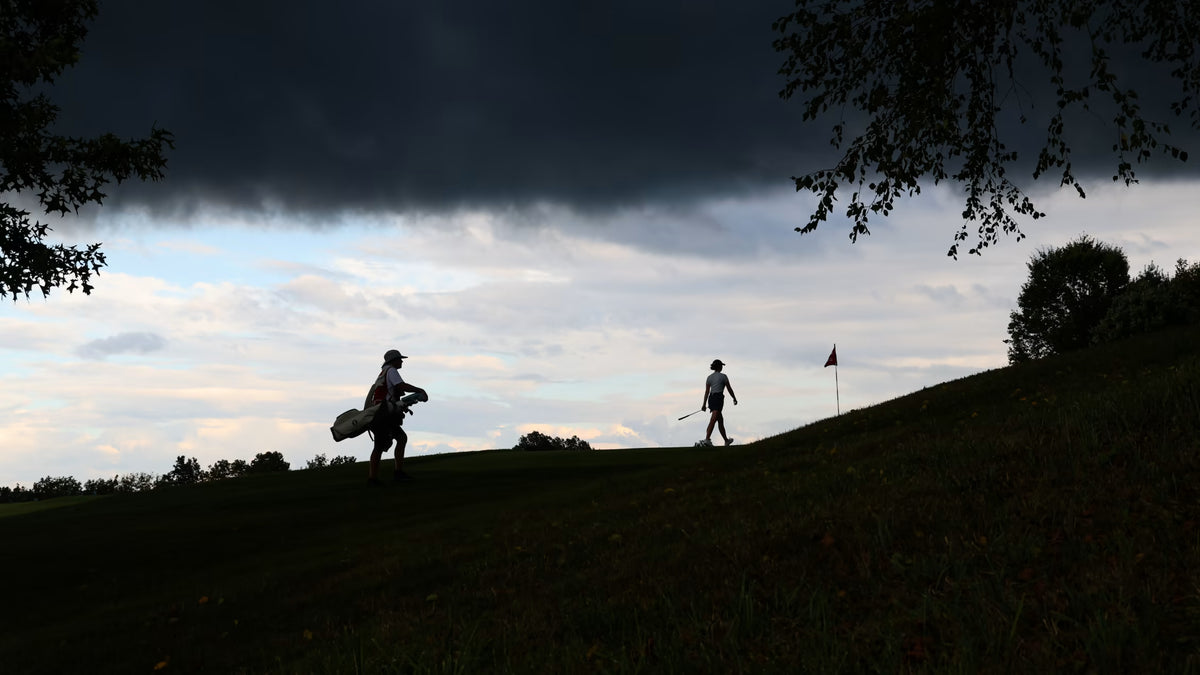
the course is already a place people open up.
Four hours outside, walking side by side, with plenty of time to talk. Golf is full of bad bounces and good recoveries, which makes it a natural place to practice patience, self-talk, and resetting after a tough moment.
We’re not trying to turn golf into therapy. We’re making the support that already happens on the course a little more intentional, and giving people the skills to look out for each other.
mental fitness, built into the game.
Mental Health First Aid training
Certification for individuals and teams, open to everyone, with a specialty in golf course staff.
See trainingsGrowWellness workshops
Using golf to talk about pressure, self-talk, setbacks, and resetting. Coming soon.
Get notifiedConnectCommunity & apparel
Rounds, events, and pieces that keep the conversation going on the course and off it.
Shop the collectionreal training, clear boundaries.
Casual Friday Golf is led by a certified Mental Health First Aid instructor. We teach people how to notice, listen, and connect someone with help.
Sources: Beyond the Handicap, a study of registered golfers (2025); Golf Care survey of golfers (2023).
We’re not a clinical service and can’t provide therapy or crisis care. If you’re struggling, please reach out to a healthcare provider or someone you trust.
If things feel urgent, call or text 988 (Suicide & Crisis Lifeline) or visit 988lifeline.org.
You can love your life and struggle at the same time.
founded in minnesota in 2023

Emma Wszol
Emma teaches our Mental Health First Aid classes and is the creative behind almost everything you see. She started CFG in 2023 to make mental health feel as normal to talk about as your last round, and she'll probably ask how you're really doing before she asks your score.

Michael Wszol
Michael leads relationships with courses, partners, and communities, with a focus on making golf more accessible, so more people can use the game to take care of their mental and physical well-being. He's more interested in the conversation on the walk between shots than the number on the card.




come enjoy the walk with us.
Take a class, join a round, or just follow along. We’re glad you’re here.
